
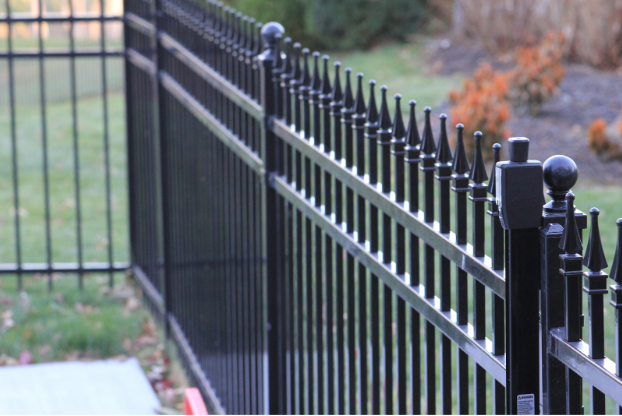
Choosing the right commercial fencing for your business is an important decision. A good fence not only enhances security but also adds to the appearance of your property. With so many options available, it can be overwhelming to choose the right one.
This article will guide you through five tips to help you select the best commercial fence for your needs.
1. Determine Your Primary Purpose
Before you begin looking at different types of fences, it is crucial to define the main purpose of the fence. Are you looking for increased security, privacy, or simply to define boundaries? The purpose of the fence will help guide your choice.
If security is your top concern, you may want a fence that is high and difficult to climb. For privacy, consider a solid fence that blocks the view from outside. Identifying your primary goal will narrow down your options and make the decision-making process easier.
2. Consider the Material
There are various materials available for commercial fencing, each with its own advantages. Chain-link fences are common for security reasons because they are durable and cost-effective. However, if you need more privacy, wood or vinyl fences may be better choices.
Wood provides a natural, aesthetic look but requires maintenance. Vinyl, on the other hand, is low maintenance and offers a sleek appearance. Additionally, metal fences like steel and aluminum provide strength and durability, making them great options for properties that need high security and long-term reliability.
3. Think About Maintenance Requirements
Different fencing materials require different levels of maintenance. If you want a fence that needs little upkeep, then vinyl or metal fencing would be ideal. These materials are resistant to rust, rot, and weather damage.
On the other hand, wooden fences require regular staining or painting to prevent decay, and they can be prone to pests and weather-related damage. While wood may provide a rustic or traditional look, the long-term costs of maintenance should be considered.
4. Check Local Regulations and Zoning Laws
Before installing any fence, it is essential to check local regulations and zoning laws in your area. These rules can dictate the height, style, and type of fence you are allowed to build. For instance, some cities or towns have restrictions on the height of fences in residential areas or near roads.
Failing to comply with these regulations can result in fines or the need to remove the fence altogether. It is always wise to consult your local zoning office to ensure your fence meets all the necessary requirements before installation begins.
5. Budget and Longevity
Your budget will play a significant role in your choice of commercial fencing. While cheaper options like chain-link may be more affordable upfront, they may not last as long as higher-quality materials like steel or vinyl.
Investing in a more durable fence may save you money in the long run by reducing the need for repairs or replacements. It is important to weigh the initial cost against the expected lifespan of the fence to find the right balance between quality and affordability.
Conclusion
Choosing the right commercial fence involves more than just picking the first option that looks good. By considering factors like the purpose of the fence, the material, maintenance needs, local regulations, and budget, you can make an informed decision that meets your needs and provides lasting value.
A well-chosen fence not only enhances security but also improves the overall appearance of your property, offering a functional and aesthetic solution for your business.